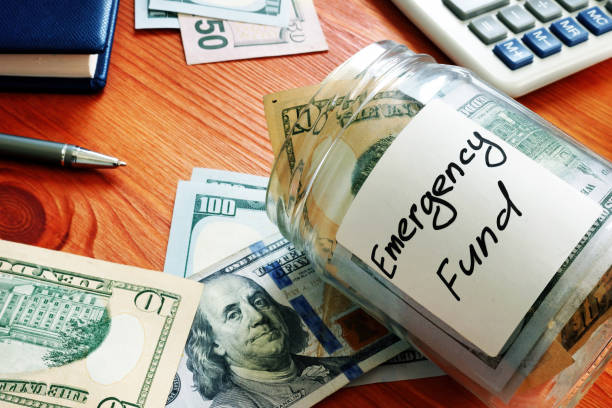
You never really understand the importance of having an emergency fund until you actually need one.
For me, that moment came when my car suddenly broke down.
I wasn’t prepared for how expensive it would be to get everything fixed. What started as a simple car problem quickly turned into a pretty big expense. There were repairs, parts, and other unexpected costs that I definitely wasn’t planning for.
And honestly, it hurt seeing that much money leave my account. But at the same time, I was incredibly thankful that I had an emergency fund.
Instead of panicking about where I was going to get the money, I was able to use my savings to cover the expense. It wasn’t fun spending that money, but that’s exactly what an emergency fund is for.
Emergency Funds Aren’t Just for Major Emergencies
When people hear “emergency fund,” they might think of something really serious, like losing a job or dealing with a major medical emergency.
But emergencies can be much more ordinary.
Your car can break down.
Your phone or laptop can suddenly stop working.
Your house might need an unexpected repair.
You might have an urgent family expense.
Sometimes, life simply throws an expense at you that you weren’t expecting.
And unfortunately, these things don’t wait until you have extra money.
That’s why having money set aside specifically for emergencies can give you something that’s just as important as the money itself: Peace of mind.
It’s Not About Having a Lot of Money
I used to think that you needed to have a huge amount of savings before you could say you had an emergency fund.
But I’ve realized that starting small is still better than having nothing. Even if you can only save a little each month, it adds up over time.
The goal isn’t to become rich overnight. The goal is to have a financial cushion so that when something unexpected happens, you don’t immediately have to borrow money, use a credit card, or sacrifice money meant for your regular expenses.
My car breaking down was a good reminder of that. I was definitely not happy about the expense, but I was grateful that past me had saved enough to deal with it.
5 Simple Ways to Save Extra Money
Building an emergency fund can feel difficult, especially when you already have bills and everyday expenses. But sometimes, small changes can make a difference.
1. Treat Savings Like a Bill
Instead of saving whatever is left at the end of the month, try doing the opposite. Set aside money first, then work with what remains.
Even a small amount from every paycheck can slowly build your emergency fund.
2. Cut One Unnecessary Expense
You don’t have to completely change your lifestyle. Pick one expense you can reduce.
Maybe it’s ordering food less often, buying fewer things online, or cutting back on subscriptions you barely use.
Put the money you save directly into your emergency fund.
3. Use the “Wait Before You Buy” Rule
Before buying something you don’t really need, wait 24 hours.
If you still want it after a day, decide whether it’s actually worth the money.
You might be surprised by how many impulse purchases don’t seem as important after you’ve had time to think about them.
4. Save Unexpected Money
Did you receive a bonus? A cash gift? A refund? Extra income from a side project?
Instead of immediately spending all of it, consider putting at least a portion into your emergency fund.
You were already living without that money, so saving some of it won’t affect your regular budget as much.
5. Automate Your Savings
One of the easiest ways to save is to make it automatic.
Set up an automatic transfer to your savings account every payday or every month.
That way, you don’t have to constantly remind yourself to save.
You simply get used to living with the amount that’s left.
Start Before You Need It
My car breaking down was an annoying and expensive experience, but it also reminded me why I started saving in the first place. An emergency fund isn’t money that’s meant to sit there forever and never be touched.
It’s there for the unexpected moments when you really need it. Hopefully, you won’t need to use it very often.
But when life throws you an unexpected bill, having that financial cushion can make a stressful situation a little less stressful.
Because sometimes, the best feeling isn’t being able to afford something you want. It’s knowing that when something you didn’t expect happens, you’re financially prepared for it.


Leave a Reply